

The History and Origin of Saffiano Leather


More than a century ago, a simple innovation emerged in Italy that would change the future of luxury leather goods. At a time when leather products were valued mainly for their elegant appearance. Saffiano leather introduced a rare combination of sophistication and durability. Over the years. it grew into one of the most recognized and sought-after leather types in the world. But what is the story behind this distinctive material? How did it evolve from an Italian invention into a global symbol of quality and style? In this article, we’ll explore the origin of Saffiano leather and trace its journey from its early beginnings to its place in today’s luxury fashion industry.
The Origin of Saffiano Leather in Italy
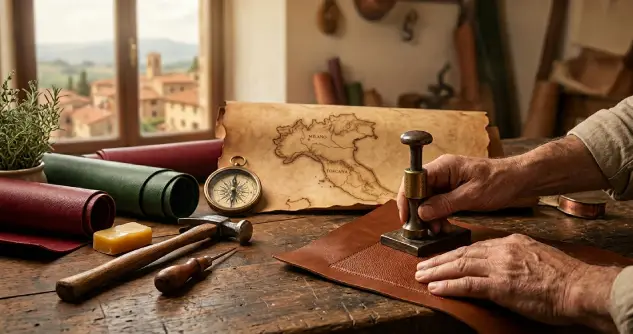
The story of the origin of Saffiano leather begins in Italy. a country that has long been regarded as one of the world’s leading centers for luxury leather craftsmanship. Italian cities became famous for their skilled artisans. who mastered the art of transforming leather into products that combined exceptional beauty with outstanding quality. As a result, the phrase Made in Italy became synonymous with elegance, luxury, and fine craftsmanship.
In the early 20th century, the leather goods industry was going through an important period of change. As demand for luxury products continued to grow. consumers started looking for items that were not only stylish but also durable enough to handle everyday use without quickly showing signs of wear. At the time, many premium leathers were prone to scratches and visible marks, creating a need for a more practical solution.
This is where the origins of Saffiano leather began to take shape. The idea was to create a leather that offered both a refined appearance and superior durability, meeting the changing demands of the market. Supported by Italy’s rich tradition of craftsmanship and advanced leatherworking techniques, this concept soon became a successful reality.
Over time, Saffiano leather evolved from being simply a new type of leather into a recognized benchmark for quality, durability, and performance in the world of luxury accessories.
Milan, 1913: Where the Story Began
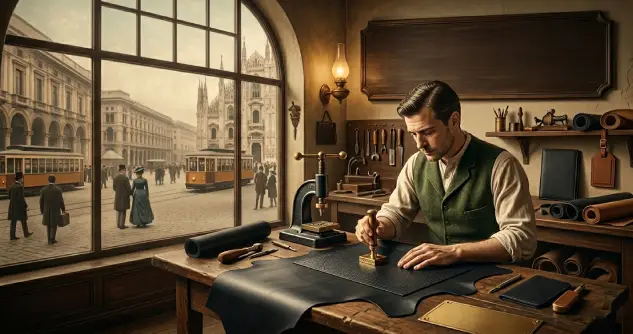
To understand the origin of Saffiano leather, we need to go back to Milan in 1913, when Mario Prada and his brother Martino opened a small store in Galleria Vittorio Emanuele II, one of the city’s most famous luxury shopping destinations. At that time, Prada was not yet a global fashion house. It was a company focused on crafting and selling travel bags, leather trunks, and high-end accessories for aristocrats and wealthy travelers.
In the early 20th century, long-distance travel by train and ship was an important part of life for businesspeople and Europe’s elite. Leather luggage was seen as a symbol of status and sophistication, but it had one major drawback: scratches and signs of wear appeared quickly with regular use, affecting both its appearance and value.
Mario Prada recognized this problem early on. Instead of focusing only on style, he began looking for ways to make leather goods more durable and better suited for everyday use without losing their luxurious feel. This idea became the foundation for what would later be known as Saffiano leather.
The Search for a More Durable Luxury Leather
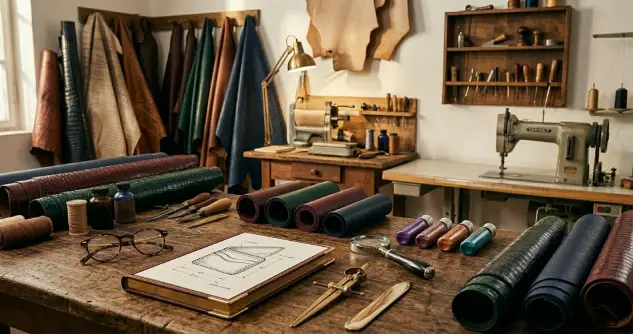
During the early decades of the 20th century, Italian leather goods were known for their exceptional quality, but durability remained a real challenge. Soft leather looked beautiful when new, yet it often showed wear and damage after regular use.
During this period, Prada began experimenting with different leather treatment techniques to improve durability and resistance. One of these methods involved pressing a fine crosshatch pattern into the leather using special plates, then applying a protective wax coating to the surface.
The goal wasn’t simply to create a new look. It was to solve a practical problem that affected customers’ everyday experience. The result was a leather that looked different from traditional smooth leather while offering greater resistance to scratches and daily wear. This marked one of the earliest chapters in the history of Saffiano leather, even before the material became known by that name around the world.
How Saffiano Leather Survived Prada’s Transformation
Prada went through many changes during the 20th century. After the company’s early success, it faced periods of challenge and decline, especially after World War II, when consumer tastes shifted and the fashion industry evolved rapidly.
A major turning point came in 1978 when Miuccia Prada took over the company. As Mario Prada’s granddaughter, she had a very different vision for the brand’s future. Rather than relying solely on the family’s legacy, she began reshaping Prada for a modern audience.
During this transformation, Saffiano leather became an important part of Prada’s identity. Miuccia was looking for materials that combined understated luxury with practicality, and she found that Saffiano leather perfectly matched her design philosophy.
Throughout the 1980s and 1990s, bags made from Saffiano leather became a key part of Prada’s global success. They introduced a new generation of customers to this distinctive Italian leather and helped establish it as one of the brand’s signature materials.
From Prada’s Workshops to the Global Luxury Industry
By the end of the 20th century, Saffiano leather was no longer associated only with Prada. As its popularity grew, other luxury brands began using the same technique or creating their own versions inspired by it.
Even so, the origins of Saffiano leather remain closely tied to Prada’s history. To this day, the name often brings to mind Italian craftsmanship, timeless design, and the iconic handbags that helped build the brand’s reputation around the world.
What started as a technique developed in a small workshop in Milan eventually became one of the most recognizable and influential materials in the history of luxury leather goods. Its combination of elegance, durability, and practicality continues to make it a favorite choice for both designers and consumers today.
The Rise of Prada and the Global Recognition of Saffiano Leather
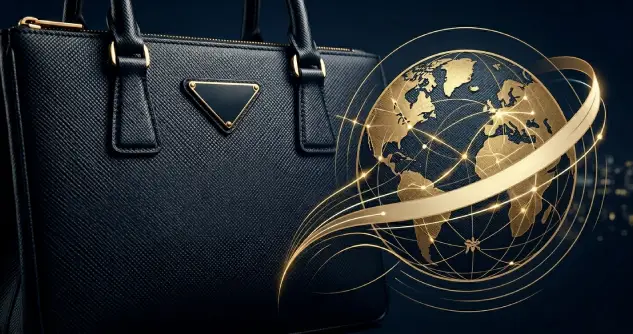
By the 1980s, Prada was going through a major transformation under the leadership of Miuccia Prada. While many fashion houses were embracing bold designs and oversized logos, Prada chose a different path focused on simplicity, quality, and craftsmanship.
In 1985, the brand introduced its famous black nylon bag, a product that changed the fashion industry’s perception of luxury accessories. Although the bag was not made from Saffiano leather, its success drew attention to Prada’s unique philosophy of combining practicality with luxury.
As the brand continued to grow throughout the late 1980s and 1990s, Saffiano leather bags became a prominent part of Prada’s collections. The material perfectly reflected the house’s design values, offering both elegant style and the durability customers needed for everyday use.
During this period, the name Saffiano leather began appearing more frequently in the world of luxury fashion. Its reputation grew not only because of its practical benefits, but also because of its strong connection to one of the most influential fashion brands in the world.
Why Luxury Brands Embraced Saffiano Leather
As Prada’s global popularity continued to grow, other luxury brands began to notice the increasing demand for products made from Saffiano leather. While many premium leathers required careful maintenance and were easily scratched, Saffiano offered a more practical alternative without sacrificing an elegant, high-end appearance.
Throughout the 1990s and the early 2000s, the use of Saffiano leather became more widespread in luxury handbags, wallets, and accessories. Its durability and low-maintenance nature made it especially appealing for items that were used on a daily basis.
Although many companies started using Saffiano leather or developing similar textured finishes, its historical roots remained closely connected to Prada. This strong association helped reinforce its reputation as a symbol of Italian craftsmanship, lasting quality, and timeless luxury.
Saffiano Leather in the 21st Century

As the 21st century began, the fashion industry experienced major changes. Factors such as sustainability, quality, and long-term value became more important than ever in consumers’ purchasing decisions.
Amid these shifts, Saffiano leather managed to maintain its strong position in the luxury market. Rather than relying on short-lived fashion trends, it continued to appeal to people looking for products that could last for years while keeping their refined appearance.
Today, Saffiano leather can be found in a wide range of products, from luxury handbags and wallets to card holders and everyday accessories. Even after more than a century, it still offers the same qualities that contributed to its success from the very beginning: durability, practicality, and timeless style.
If you’d like to learn more about the characteristics of this unique leather, its advantages, and the best ways to care for it, be sure to check out our complete guide: What Is Saffiano Leather?
Is Saffiano Leather Still Relevant Today?
More than a hundred years after its creation, Saffiano leather continues to hold a special place in the world of luxury leather goods. One of the main reasons is that the needs it was originally designed to address are still relevant today.
Consumers continue to look for products that combine elegance, durability, and everyday practicality the same qualities that made Saffiano leather stand out when it first appeared in Milan. Its continued use by Prada and many other luxury brands is a clear sign that its value goes far beyond being just another fashion trend.
While tastes and styles have changed over the decades, Saffiano leather has remained a constant presence in the luxury market. It stands as an example of a successful innovation that has managed to stay relevant across generations, proving that good design and lasting quality never go out of style.
Conclusion
When we look at the origin of Saffiano leather, we find a story that goes far beyond the creation of a new type of leather. It is a story that began in Milan in 1913 with Mario Prada and continued through generations of designers and craftsmen who helped transform a simple idea into one of the most recognizable materials in the luxury goods industry. The history of Saffiano leather shows how true innovation can remain relevant for decades without losing its value or appeal. From a small shop in the heart of Milan to handbags and accessories sold around the world, Saffiano leather remains a testament to Italian craftsmanship and its ability to create products that stand the test of time.
FAQ
The history of Saffiano leather dates back to the early 20th century, when Mario Prada developed this distinctive leather in Italy. It was designed to combine luxury with durability, offering a more practical alternative to traditional premium leathers. Over time, its unique texture and long-lasting performance helped it gain worldwide popularity, making it a favorite material for luxury handbags, wallets, and accessories.
Saffiano leather first appeared in the early 1900s, during the early years of Prada’s growth as one of Italy’s leading luxury leather goods brands. Since then, it has continued to gain recognition and remains one of the most well-known leather types in the fashion industry today.
The origin of Saffiano leather is closely linked to Italy, where it was first developed by Mario Prada. Today, products made with Saffiano leather are manufactured in various countries around the world. However, Italian-made Saffiano leather is still highly regarded for its exceptional craftsmanship, quality, and long-standing leatherworking tradition.