

Environmental Impact of Saffiano Leather Production

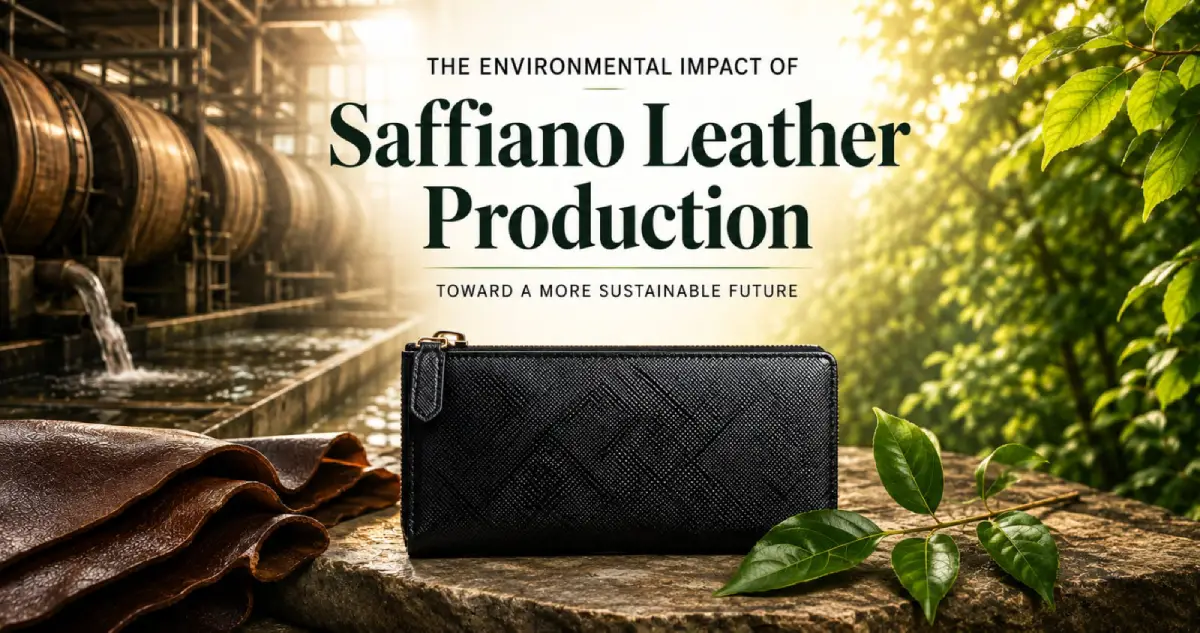
When buying a Saffiano leather wallet or bag, most people are drawn to its elegant look, scratch-resistant finish, and how easy it is to keep clean. But as more people become interested in sustainability and protecting the environment, one question comes up more often: How much does Saffiano leather production affect the environment? The answer isn’t completely straightforward. The environmental impact doesn’t depend only on the leather itself. It includes every step of the production process, from sourcing the raw hides to tanning, processing, and adding the protective coating that gives Saffiano leather its well-known texture and durability.
What Does Saffiano Leather Production Mean?
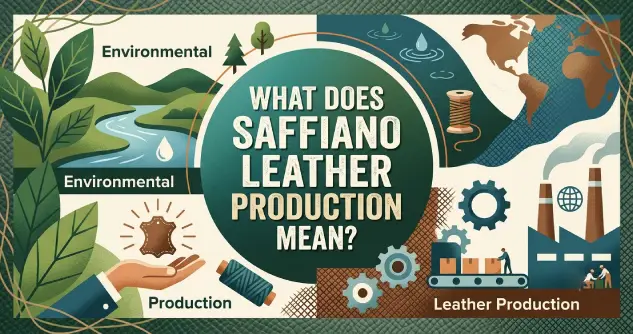
Saffiano leather production refers to all the steps involved in turning natural leather into the well-known Saffiano finish, recognized for its crosshatch pattern, subtle shine, and excellent scratch resistance.
Unlike what many people think, Saffiano isn’t a different type of leather. It’s genuine leather that goes through several processing stages to achieve its distinctive appearance and performance.
The production process usually includes:
- Selecting the raw leather.
- Cleaning and preparing the leather.
- Tanning the leather.
- Pressing the signature crosshatch pattern using heat.
- Applying a protective wax or polyurethane coating.
- Dyeing and finishing the leather.
- Inspecting the final product before it’s made into wallets, bags, or other leather goods.
Each stage has a different environmental impact, whether it’s through water consumption, energy use, or the chemicals involved in the process.
Why Do Consumers Care About the Environmental Impact?

In the past, most shoppers focused mainly on product quality and price. Today, many people are asking a different question: How was this product made?
This shift comes from growing environmental awareness. Consumers understand that leather production can use a lot of natural resources if it’s not managed responsibly. Because of that, many brands now share more information about:
- Where their leather comes from.
- The tanning methods they use.
- Water consumption during production.
- Efforts to reduce carbon emissions.
- Environmental certifications they’ve earned.
This kind of transparency helps people make more informed and responsible buying decisions.
Sourcing Raw Leather and Its Environmental Impact
The first step in Saffiano leather production is sourcing natural leather. In most cases, the leather is a by-product of the meat industry. In other words, animals aren’t raised primarily for their hides, and the leather is used instead of being discarded.
Even so, livestock farming has its own environmental impact, including:
- Using large areas of land.
- High water consumption.
- Methane emissions.
- The resources needed for animal feed and energy.
Because of these concerns, many companies now source leather only from suppliers that follow strict environmental standards and responsible farming practices.
Tanning: The Stage with the Biggest Environmental Impact
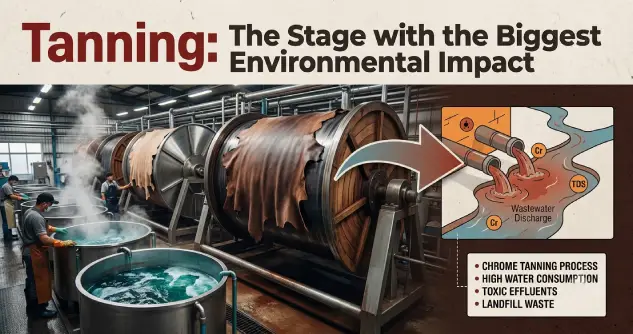
Tanning is one of the most environmentally significant stages of Saffiano leather production. Its purpose is to turn raw hides into durable leather that won’t rot and can last for many years. There are two main tanning methods:
Chrome Tanning
This is the most common method worldwide because it’s:
- Faster.
- More affordable.
- Produces softer leather.
- Creates long-lasting, consistent colors.
However, it requires careful handling of chemicals and waste. If they’re not disposed of properly, they can contaminate water and soil. That’s why many modern tanneries invest in advanced wastewater treatment systems before releasing or reusing the water.
Vegetable Tanning
Vegetable tanning uses natural extracts from trees and plants instead of chromium salts. It’s known for being:
- More environmentally friendly.
- Made with natural materials.
- Lower in chemical risks.
The downside is that it takes much longer and costs more, which is why it’s not used for every Saffiano leather product.
Water Use in Saffiano Leather Production
Water plays a major role in leather manufacturing. It’s used for:
- Cleaning the leather.
- Removing impurities.
- The tanning process.
- Dyeing.
- Final washing.
Because of this, traditional tanneries can use thousands of liters of water every day. To reduce this impact, many modern factories now use closed-loop water recycling systems, which help cut down on fresh water consumption and significantly reduce waste.
Many facilities also use advanced filtration technology to remove chemicals from the water before reusing it in the production process. This has become one of the biggest improvements in making Saffiano leather production more sustainable than it was in the past.
Energy Consumption During Production
Once the tanning process is complete, the leather goes through the stage that gives Saffiano its signature look. Special machines use high heat and pressure to press the iconic crosshatch pattern into the leather.
This process requires:
- High temperatures.
- Heavy industrial equipment.
- Production lines that run for long hours.
- Drying and finishing systems.
All of this adds up to a significant amount of energy use. To reduce their environmental impact, some manufacturers now power their production facilities with solar or wind energy, helping lower the carbon footprint of the finished product.
The Protective Coating: What Makes Saffiano Leather Stand Out

One of the main reasons Saffiano leather is so popular is the protective coating applied after the leather is embossed. This layer gives the leather:
- Excellent scratch resistance.
- Better water resistance.
- Easy maintenance.
- A longer lifespan.
- An elegant appearance that lasts for years.
On the other hand, some protective coatings are made with petroleum-based materials. To address this, some manufacturers have developed low-emission coatings with reduced levels of volatile organic compounds (VOCs), helping minimize the environmental impact without affecting the leather’s quality or performance.
Does Durability Make Up for the Environmental Impact?
When evaluating Saffiano leather production, it’s important to look beyond the manufacturing process and consider how long the product lasts after it’s purchased. One of Saffiano leather’s biggest advantages is its durability. A well-made Saffiano wallet or bag can last for many years while keeping its shape and appearance, as long as it’s properly cared for.
That means people don’t have to replace it every year or two, which often happens with lower-quality materials. From a sustainability point of view, a product that lasts ten years is usually a better choice than buying five cheaper products over the same period. It helps reduce:
- The use of raw materials.
- The amount of waste generated.
- Repeated manufacturing.
- Emissions from transportation and packaging.
Because of this, many sustainability experts consider a product’s lifespan to be an important part of its overall environmental impact.
How Has Saffiano Leather Production Become More Sustainable?

The leather industry has made significant progress in recent years, with many manufacturers working to reduce their environmental impact without sacrificing quality. Some of the biggest improvements include:
- Water Recycling
Modern factories use advanced treatment systems that allow a large portion of the water used in production to be cleaned and reused. This reduces the need for fresh water and helps limit wastewater discharge.
- Safer Chemicals
Many leading manufacturers are replacing traditional chemicals with safer alternatives and carefully controlling their use to meet international environmental standards. This helps protect both factory workers and the surrounding environment.
- Renewable Energy
Many tanneries and production facilities are now using:
- Solar power.
- Wind energy.
- Energy-efficient equipment and systems.
These changes help lower the carbon emissions associated with Saffiano leather production.
- Responsibly Sourced Leather
Trusted brands increasingly source their leather from suppliers that follow responsible farming practices and animal welfare standards. Some also work with environmentally certified tanneries that meet strict requirements for managing water, energy, and chemicals responsibly.
Is Saffiano Leather Better for the Environment Than Synthetic Leather?
Some people assume that synthetic leather is always the more sustainable option, but the reality is more complicated. Most synthetic leather is made from plastic-based materials like PVC or PU, which are derived from petroleum and can take many years to break down.
Natural Saffiano leather, on the other hand, may require more resources during production. However, its long lifespan often makes it a better choice in many situations, especially when it’s produced using responsible manufacturing practices.
So, it’s hard to say that one is always better than the other. It really depends on how the material is made, how it’s used, and how long the product lasts.
Tips for Making Saffiano Leather Products Last Longer
Extending the life of a product is one of the easiest ways to reduce its environmental impact. Here are a few simple care tips:
- Wipe the leather with a soft, dry cloth.
- Avoid using harsh cleaning products.
- Store your bag or wallet in a cool, dry place away from direct sunlight.
- Don’t overload the bag with more weight than it can handle.
- Keep it in a fabric dust bag when it’s not being used.
With proper care, Saffiano leather products can keep their appearance and quality for many years.
Conclusion
Saffiano leather production can’t simply be described as either environmentally friendly or harmful. Its overall impact depends on the manufacturing methods, the materials used, and how committed the manufacturer is to sustainable practices.
While the production process does require water, energy, and some chemical treatments, major improvements in tanning technology, water recycling, and renewable energy have helped reduce its environmental footprint. At the same time, Saffiano leather’s exceptional durability means products last much longer, reducing the need for frequent replacements and helping conserve resources over time.
If you’d like to learn more about Saffiano leather, how it’s made, and what sets it apart from other types of leather, check out our main article, What Is Saffiano Leather? It will give you a better understanding of its features and production process before you evaluate its environmental impact and decide if it’s the right choice for you.
FAQs
Saffiano leather isn’t made in just one country. It’s produced in several places known for leather manufacturing, including Italy, which is famous for many luxury Saffiano products. It’s also made in countries such as China, India, and Turkey. The quality of the finished product depends more on the manufacturer’s expertise and the materials used than on the country itself. That’s why Saffiano leather production standards can vary from one factory to another.
Saffiano leather production starts with genuine leather, most commonly calfskin. The leather is first tanned, then pressed with heated plates to create its signature crosshatch texture. After that, a protective coating of wax or polyurethane is applied to improve resistance to scratches, stains, and moisture. Finally, the leather goes through finishing and quality inspection before it’s made into wallets, bags, or other leather accessories.
Yes, in most cases, Saffiano leather is made from genuine leather, usually full-grain or top-grain leather. Some people mistake it for synthetic leather because of its uniform texture, but that texture is created by the heat embossing process used during Saffiano leather production not because it’s made of plastic. That said, some manufacturers do produce synthetic versions that imitate the look of Saffiano leather, so it’s always a good idea to check the product details before buying.